




Retail chains around the globe are rapidly adopting customer segmentation as a core strategy to stay competitive and cater to the diverse needs of their customers. By dissecting their customer base into defined groups, retailers can tailor their services and offerings to better resonate with each segment’s unique preferences and behaviors. This approach not only boosts customer satisfaction but also drives sales and fosters brand loyalty. Understanding how these strategies are employed and the benefits they deliver is critical for any retailer looking to make data-driven decisions. Keep reading to delve into the mechanics and successes of customer segmentation in modern retail.
Understanding Customer Segmentation in Retail: The Basics and Benefits
Customer segmentation is a marketing strategy that divides a customer base into smaller groups based on distinct characteristics such as buying habits, demographic details, and personal preferences. For retailers, recognizing these differences is pivotal. It allows them to create a more personalized shopping experience that can significantly enhance customer satisfaction and retention rates.
Employing customer segmentation leads to a targeted approach in everything from marketing to product development. Retailers can align their product offerings and promotions with the specific needs and desires of each segment, resulting in more effective campaigns and an increased return on investment. These targeted strategies also help in acquiring new customers who share similarities with existing segments.
Additionally, this strategic division enhances the ability to upsell and cross-sell products by presenting customers with items that are more relevant to their interests. The approach thereby contributes to improved sales metrics and a healthier bottom line. For in-depth insights, reviewing customer segmentation examples from Adestra can demonstrate the real-world application and effectiveness of these strategies.
Personalizing Marketing Strategies With Customer Segmentation in Retail Chains
Retail chains harness customer segmentation to fine-tune marketing messages for each identified group. Personalization is key: By customizing communications, ad campaigns, and promotions, retailers increase the relevance and effectiveness of their marketing efforts.
Email marketing campaigns can be tailored to reflect the purchasing history and preferences of segments, leading to higher open rates and engagement. Similarly, product recommendations on websites and apps are adjusted to align with the predictive analysis of each segment’s shopping patterns, enhancing the online shopping experience.
In-store experiences aren’t left behind either. Retailers create personalized offers and loyalty rewards that specifically cater to the identified segments. Signage, displays, and even the language used by sales staff can be adapted to resonate with the target segments, reinforcing the personal touch that builds customer loyalty.
Optimizing Stock and Store Layouts Through Segmentation Insights
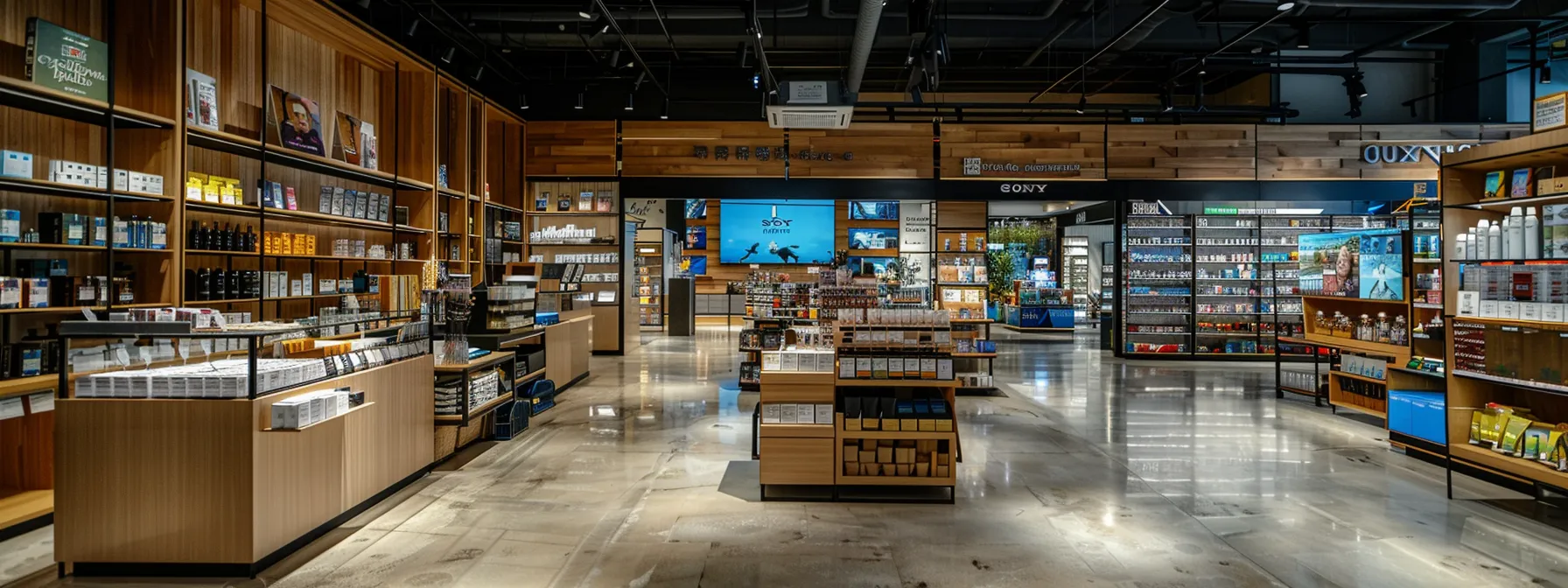
Effective customer segmentation extends beyond marketing into the logistical aspects of retail operations. Retail chains utilize segmentation data to optimize both stock levels and store layouts to mirror the purchasing tendencies of different customer groups.
By understanding which products are favored by which segments, retailers can better manage inventory, reducing the risk of overstocking unpopular items and ensuring that high-demand products are always available. This proactive approach to stock management not only improves customer satisfaction but also enhances the cost-efficiency of operations.
Furthermore, store layouts can be adapted based on segmentation insights to create a more engaging shopping environment. Retailers may alter product placements so they are more accessible to the customers most likely to purchase them. Even the in-store flow can be designed to lead different segments through a journey suited to their shopping style and preferences.
Measuring the Success of Customer Segmentation Strategies in Retail Business

For retail chains, it’s critical to track the impact of customer segmentation strategies to gauge their success and identify areas for optimization. Key performance indicators (KPIs) such as customer acquisition costs, conversion rates, and average transaction values are closely monitored to assess the effectiveness of segmentation efforts.
Variations in these metrics can provide actionable insights. For instance, an increase in the average transaction value for a certain segment may suggest that the personalized marketing efforts are resonating, motivating customers to spend more per visit. Similarly, improved conversion rates can indicate that the product mix and recommendations are successful in persuading customers to make a purchase.
Overall, retail chains that effectively implement customer segmentation strategies are better positioned to recognize and respond to the nuances of their customer base. Through targeted marketing, optimized store layouts, and personalized shopping experiences, they turn segmentation insights into tangible business results, bolstering customer loyalty and driving growth in a highly competitive marketplace.